
Karka Sankranti
AssameseAlso known as: Karka Rashi Sankranti, Cancer Sankranti
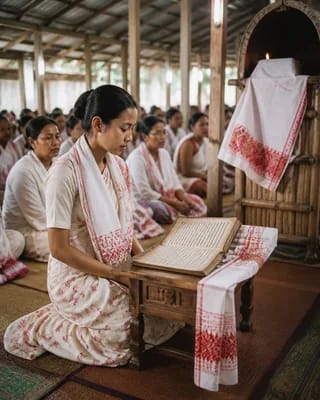
Karka Sankranti
About Karka Sankranti
Karka Sankranti marks the Sun's entry into the zodiac sign of Karka (Cancer), occurring in mid-July. In Assamese tradition, this Sankranti is observed with ritual bathing, prayers, and special dishes made from rice and coconut.
Devotees take holy baths in the morning and offer prayers to the Sun God. The day marks the beginning of the Chaturmas period, a sacred four-month span for stricter spiritual discipline.
In Assam, Karka Sankranti is also associated with the worship of water bodies during the monsoon season. Farmers pray for adequate rainfall and protection of their crops from floods.
Vrat Vidhi & Fasting Rules
Devotees observe a fast on Karka Sankranti and perform ritual bathing and prayers.
Om Suryaya Namah, I offer my prayers to the Sun God for protection and blessings during the Chaturmas period.
- Wake up early and take a ritual bath.
- Offer prayers to the Sun God with water and flowers.
- Prepare traditional sweets and distribute them.
- Begin stricter spiritual discipline for the Chaturmas period.
Puja Samagri & Ritual Steps
- Take a ritual bath before sunrise.
- Offer water and flowers to the Sun God.
- Light earthen lamps and perform surya puja.
- Distribute traditional sweets among family and neighbours.
Frequently Asked Questions (FAQs)
It marks the Sun's entry into Cancer and the beginning of the Chaturmas period, a sacred four-month span for spiritual practice.
It occurs during the monsoon season, when farmers pray for adequate rainfall and protection of their crops from floods.
Note: All timings are represented in 24-hour notation in local time of the selected location with DST adjustment (if applicable).
Hours which are past midnight are suffixed with next day date. In Panchang, a day starts and ends with local sunrise.
Recommended Pages
Comprehensive annual Hindu calendar with tithis and festivals.
Detailed month-wise view of lunar tithis and celestial events.
Marathi Panchang and festive dates for the year.
Gujarati Vikram Samvat calendar and festivals.
Telugu calendar and festive Panchangam details.
Tamil solar calendar dates and monthly Panchangam.