
Kamada Ekadashi
GujaratiAlso known as: Varuthini Ekadashi, Varuthini
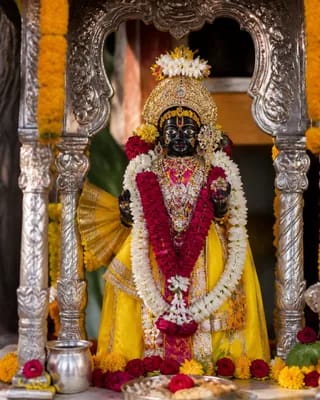
Kamada Ekadashi
About Kamada Ekadashi
Kamada Ekadashi falls on the Ekadashi of Krishna Paksha in Chaitra month and is considered the first Ekadashi of the Hindu new year. It is believed to fulfill all desires and wishes.
The vrat is observed to cleanse the mind and soul of sins and to seek the blessings of Lord Vishnu for fulfillment of desires. The story of this Ekadashi is narrated in the Padma Purana.
Devotees observe a strict fast, eating only one meal and abstaining from grains and beans. Special prayers and bhajans are organized in temples.
In Gujarat, Kamada Ekadashi is observed with traditional rituals and community gatherings, focusing on spiritual purification and divine blessings.
Vrat Vidhi & Fasting Rules
Devotees observe a strict fast and worship Lord Vishnu.
- Observe a strict fast.
- Eat only one meal.
- Abstain from grains and beans.
- Recite Vishnu Sahasranama.
Parana (Breaking Fast) Note: Break the fast on Dwadashi after morning prayers.
Puja Samagri & Ritual Steps
- Clean the puja area.
- Place the Vishnu idol.
- Offer flowers, fruits, and Tulsi leaves.
- Light diyas and incense.
- Recite Vishnu mantras.
- Distribute prasad to family members.
Frequently Asked Questions (FAQs)
The first Ekadashi of the Hindu new year, believed to fulfill all desires and cleanse the soul of sins.
Grains, beans, and non-vegetarian food should be avoided. A strict fast is observed.
Note: All timings are represented in 24-hour notation in local time of the selected location with DST adjustment (if applicable).
Hours which are past midnight are suffixed with next day date. In Panchang, a day starts and ends with local sunrise.
Recommended Pages
Comprehensive annual Hindu calendar with tithis and festivals.
Detailed month-wise view of lunar tithis and celestial events.
Marathi Panchang and festive dates for the year.
Gujarati Vikram Samvat calendar and festivals.
Telugu calendar and festive Panchangam details.
Tamil solar calendar dates and monthly Panchangam.