
Vagh Baras
GujaratiAlso known as: Dhanteras Eve, Vaghbaras
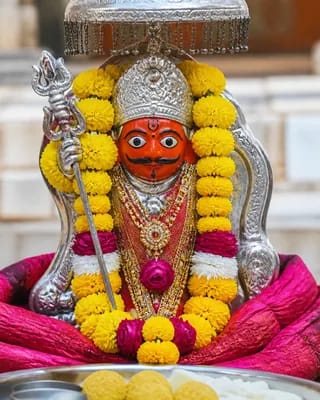
Vagh Baras
About Vagh Baras
Vagh Baras is observed on the 12th day of the bright fortnight in the Kartak month, two days before Diwali. The word vagh means tiger, and the ritual involves symbolically feeding a tiger to neutralise fear and financial losses.
Devotees worship Goddess Mahalakshmi and Lord Kshetrapal on this day, seeking protection from financial losses and unforeseen dangers. Business communities consider this day highly auspicious for settling old debts.
In Gujarat, people prepare sweets, visit temples, and perform a small puja at their place of business. The ritual of weighing oneself against sweets and distributing them is also performed.
The festival marks the beginning of the festive Diwali season, with families cleaning and decorating their homes. It is believed that observing this vrat protects one from unexpected financial setbacks.
Vrat Vidhi & Fasting Rules
A partial fast is observed by some devotees, eating only one meal during the day.
- Wake early and take a ritual bath.
- Clean the business premises and home thoroughly.
- Prepare sweets and visit the temple for prayers.
- Perform the weighing ritual and distribute sweets.
Parana (Breaking Fast) Note: The fast is broken after performing the puja and visiting the temple.
Puja Samagri & Ritual Steps
- Clean the puja area and place the deity image.
- Apply kumkum and haldi to the altar.
- Light incense and offer flowers and sweets.
- Chant prayers for protection from financial losses.
- Distribute prasad to family and neighbours.
Frequently Asked Questions (FAQs)
Vagh Baras is believed to ward off financial losses and dangers. By worshipping the tiger symbolically, devotees seek protection for their wealth and business.
Vagh Baras falls one day before Dhanteras. While Dhanteras focuses on purchasing gold, Vagh Baras centres on worshipping business accounts and the guardian deity.
Note: All timings are represented in 24-hour notation in local time of the selected location with DST adjustment (if applicable).
Hours which are past midnight are suffixed with next day date. In Panchang, a day starts and ends with local sunrise.
Recommended Pages
Comprehensive annual Hindu calendar with tithis and festivals.
Detailed month-wise view of lunar tithis and celestial events.
Marathi Panchang and festive dates for the year.
Gujarati Vikram Samvat calendar and festivals.
Telugu calendar and festive Panchangam details.
Tamil solar calendar dates and monthly Panchangam.