
Aranya Shashthi
festivalsQuick Overview
- Date in 2032
- Sunday, June 13, 2032
- Tithi
- Jyeshtha Shukla Shashthi (Purnimanta)
- Tithi begins / ends
- 02:42 PM, Jun 13 to 05:06 PM, Jun 14
- Lunar month
- Jyeshtha · Shukla Paksha
Aranya Shashthi
Sunday, June 13, 2032
Lunar Month: Jyeshtha
Aranya Shashthi at a Glance
Aranya Shashthi is fixed by the lunar calendar to Jyeshtha Shukla Shashthi, the 6th tithi of the waxing (Shukla) fortnight of Jyeshtha.
- Tithi rule
- Jyeshtha Shukla Shashthi (Purnimanta)Shukla ShashthiJyeshtha month
- Tithi swami and group
- Kartikeya · Nanda Tithi
Panchanga on This Day
Aranya Shashthi · Jun 13, 2032
About Aranya Shashthi
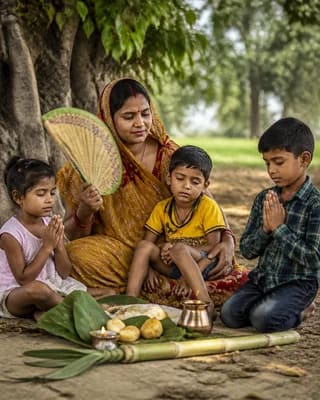
Aranya Shashthi, celebrated on the Shashthi Tithi of the Jyeshtha month (Shukla Paksha), is a nature-centric festival deeply rooted in the agrarian and forest-dwelling traditions of India. The word 'Aranya' means forest, and this day is dedicated to the worship of trees, forests, and the divine feminine energy that sustains life. It recognizes the sacred relationship between human communities and the natural environment, emphasizing the belief that trees are manifestations of divine grace.
In Bengal and parts of Eastern India, this day is popularly known as Jamai Shashthi, a cherished occasion when mothers invite their sons-in-law (Jamai) home and shower them with affection, blessings, and sumptuous feasts. However, the broader Aranya Shashthi observance is focused on Shashthi Devi, the six-headed mother goddess who protects children and ensures familial well-being. Women fast and pray for the health, longevity, and prosperity of their sons and grandsons.
The festival carries immense ecological symbolism. Devotees plant trees, water existing ones, and refrain from cutting greenery on this day. Sacred trees such as the Banyan (Vat), Peepal, and Amla receive special worship. Aranya Shashthi thus blends spiritual devotion with environmental stewardship, teaching that protecting nature is itself an act of dharma.
Vrat Vidhi & Fasting Rules
The Vrata combines tree worship, fasting by mothers, and prayers to Shashthi Devi for the welfare of children and the abundance of nature.
- Wake before sunrise, bathe, and wear clean traditional clothes, preferably green or yellow.
- Observe a partial fast, consuming only satvik foods such as fruits, milk, and specific permissible grains until evening Puja.
- Visit a sacred tree such as Banyan, Peepal, or Amla; circumambulate it and offer water, turmeric, Kumkum, flowers, and raw thread.
- Worship Shashthi Devi with offerings of bananas, sweets, and rice; pray for the health and longevity of children.
- Refrain from cutting plants, plucking leaves unnecessarily, or harming any living creature on this day.
- In Bengal, mothers prepare a feast for their sons-in-law and offer them blessings through the Jamai Shashthi ritual.
Puja Samagri & Ritual Steps
- Place an image or symbolic representation of Shashthi Devi on a clean altar.
- Light incense and a lamp, and invoke Shashthi Devi with the mantra 'Om Shashthayi Namah'.
- Offer bananas, rice, sweets, and seasonal fruits to the goddess.
- Tie a protective thread around the wrists of children after seeking the goddess's blessings.
- Conclude with Aarti, distribution of Prasad, and a vow to protect trees and nature.
Aranya Shashthi: Frequently Asked Questions
Jyeshtha Shukla Shashthi; its swami is Kartikeya, a Nanda Tithi.
Shukla Shashthi: 02:42 PM, Sun, Jun 13, 2032 to 05:06 PM, Mon, Jun 14, 2032 (IST).
Jyeshtha Shukla Shashthi: 12:54 PM, Thu, Jun 2, 2033 to 02:09 PM, Fri, Jun 3, 2033 (IST).
In Bengal, Aranya Shashthi is celebrated as Jamai Shashthi, with special emphasis on honoring sons-in-law. The underlying spiritual theme of Shashthi Devi worship and nature reverence remains the same.
Sacred trees such as Banyan (Vat), Peepal (Ashvattha), Amla, and Neem are commonly worshipped and watered on this day.
Aranya Shashthi teaches environmental conservation by encouraging tree planting, watering, and abstaining from harming plant life.
Festivals in the Same Lunar Month
Jyeshtha
Note: times are shown with their date; a Panchang day runs from sunrise to sunrise.
Recommended Pages
Comprehensive annual Hindu calendar with tithis and festivals.
Detailed month-wise view of lunar tithis and celestial events.
Marathi Panchang and festive dates for the year.
Gujarati Vikram Samvat calendar and festivals.
Telugu calendar and festive Panchangam details.
Tamil solar calendar dates and monthly Panchangam.