
Chandra Shashthi
festivalsAlso known as: Chandra 6
Quick Overview
- Date in 2026
- Thursday, October 1, 2026
- Tithi begins / ends
- 12:36 PM, Oct 01 to 10:16 AM, Oct 02
- Lunar month
- Ashwin
Chandra Shashthi
Thursday, October 1, 2026
Lunar Month: Ashwin
Panchanga on This Day
Chandra Shashthi · Oct 1, 2026
About Chandra Shashthi
Chandra Shashthi is observed on the Shukla Paksha Shashthi of the Bhadrapada month and is dedicated to Chandra Deva, the Moon God, who governs the mind, emotions, fertility, and nourishment. In Vedic astrology, the Moon (Chandra) is one of the most influential planets, affecting mental peace, relationships, and overall well-being. Chandra Shashthi is especially beneficial for those suffering from Chandra Dosha, mental anxiety, emotional instability, and afflictions related to the Moon in their horoscope.
The Moon holds a unique place in Hindu cosmology as the lord of the night, the presiding deity of the mind (Manaskaraka), and the nurturer of medicinal herbs. It is believed that the rays of the Moon imbue plants with healing properties, and worshipping Chandra on Shashthi helps balance the mind and emotions. This day is also considered favorable for mothers seeking the health and well-being of their children, as Chandra is associated with nurturing energy.
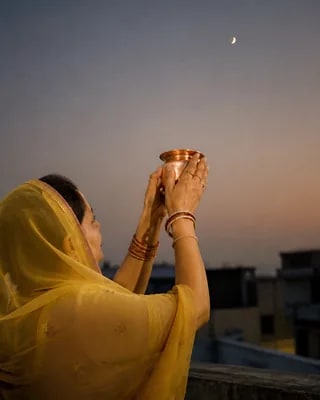
Devotees observe Chandra Shashthi by fasting, performing Abhishekam to a Chandra Yantra or Shiva Linga, offering white flowers and Kheer (rice pudding), and chanting the Chandra Mantra or Chandra Gayatri. Moon-gazing (Chandra Darshan) in the evening is an important part of the ritual, as it is believed to cool the mind and bestow mental clarity. The festival emphasizes emotional healing, mental tranquility, and the cultivation of calm devotion.
Vrat Vidhi & Fasting Rules
Chandra Shashthi Vrata involves fasting, worship of the Moon God, and chanting mantras to pacify Chandra Dosha and attain mental peace.
- Wake before sunrise, bathe, and wear clean white or pale yellow clothes.
- Observe a partial fast, consuming only white foods such as milk, Kheer, rice, and fruits until moonrise.
- Perform Puja to Chandra Deva using a Chandra Yantra or a silver disc representing the Moon.
- Offer white flowers, white sandalwood paste, rice, Kheer, and white sweets to the Moon God.
- Chant the Chandra Mantra 'Om Som Somaya Namah' or Chandra Gayatri 108 times.
- View the moon in the evening, offer Arghya (water with rice and white flowers), and pray for mental peace and emotional stability.
Puja Samagri & Ritual Steps
- Place the Chandra Yantra or silver disc on a white cloth in the Puja area.
- Perform Abhishekam with milk, water, and honey if available.
- Offer white flowers, rice, and Kheer to Chandra Deva.
- Light incense and a lamp, and chant the Chandra mantra 108 times.
- In the evening, view the moon and offer Arghya while praying for mental peace.
Chandra Shashthi: Frequently Asked Questions
Those with Chandra Dosha, weak Moon placement, mental anxiety, emotional disturbances, or mothers seeking children's welfare can benefit from this Vrata.
White is the sacred color of the Moon God. Devotees wear white clothes and offer white flowers, rice, and Kheer.
Yes, the Puja can be performed indoors with a Chandra Yantra or silver disc, and moon-gazing can be done spiritually if the moon is not visible.
Festivals in the Same Lunar Month
Ashwin
Note: times are shown with their date; a Panchang day runs from sunrise to sunrise.
Recommended Pages
Comprehensive annual Hindu calendar with tithis and festivals.
Detailed month-wise view of lunar tithis and celestial events.
Marathi Panchang and festive dates for the year.
Gujarati Vikram Samvat calendar and festivals.
Telugu calendar and festive Panchangam details.
Tamil solar calendar dates and monthly Panchangam.