
Maha Shivaratri
KannadaAlso known as: Shivaratri
Maha Shivaratri
About Maha Shivaratri
Maha Shivaratri, the great night of Lord Shiva, falls on the 14th day of the dark fortnight in the month of Magha (February-March). It is one of the most important festivals in Hinduism.
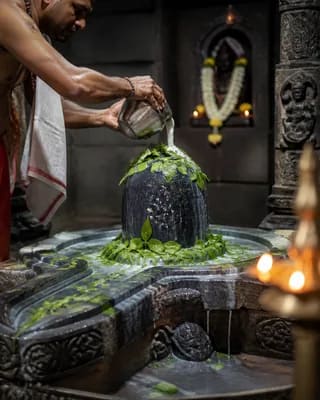
Devotees observe strict fasting, visit Shiva temples, and perform special pujas throughout the night, offering bel leaves, milk, and water to the Shiva lingam.
In Karnataka, the festival is celebrated with great devotion at major Shiva temples like the Dharmasthala Manjunatha Temple and the Murudeshwar Temple.
Vrat Vidhi & Fasting Rules
Devotees observe strict fasting and perform night-long vigils at Shiva temples.
- Wake up before dawn and take a ritual bath.
- Observe strict fasting throughout the day.
- Visit Shiva temples and perform special pujas.
- Stay awake throughout the night in prayer and devotion.
Parana (Breaking Fast) Note: The fast is broken the next morning after the temple puja.
Puja Samagri & Ritual Steps
- Clean the Shiva altar and prepare the puja area.
- Offer bel leaves, milk, and water to Lord Shiva.
- Perform abhishekam with milk and water.
- Chant Om Namah Shivaya throughout the night.
Frequently Asked Questions (FAQs)
It marks the night when Lord Shiva performed the cosmic dance (Tandava) and also the night of the marriage of Shiva and Parvati.
Note: All timings are represented in 24-hour notation in local time of the selected location with DST adjustment (if applicable).
Hours which are past midnight are suffixed with next day date. In Panchang, a day starts and ends with local sunrise.
Recommended Pages
Comprehensive annual Hindu calendar with tithis and festivals.
Detailed month-wise view of lunar tithis and celestial events.
Marathi Panchang and festive dates for the year.
Gujarati Vikram Samvat calendar and festivals.
Telugu calendar and festive Panchangam details.
Tamil solar calendar dates and monthly Panchangam.