
Kamika Ekadashi
OdiaAlso known as: Kamika
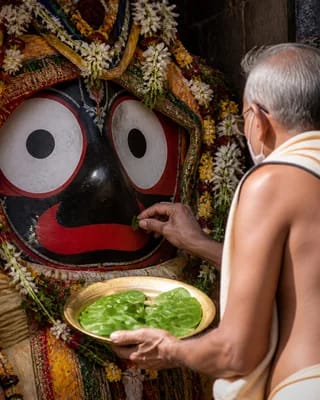
Kamika Ekadashi
About Kamika Ekadashi
Kamika Ekadashi falls on the 11th day of the dark fortnight in Shravan month (July-August). The name is derived from 'kama' (desire), and observing this Ekadashi helps in controlling desires and attaining spiritual progress. The story involves a Brahmin cursed to become a Rakshasa who regained human form.
The Brahmanda Purana tells of a Brahmin who was cursed by a sage for his negligence in performing daily rituals. He was transformed into a Rakshasa and wandered the forests in misery. One day, he remembered the glory of Kamika Ekadashi and observed the fast with whatever leaves and water he could find. Lord Vishnu, pleased with his devotion, appeared and restored his human form, blessing him with a new life of virtue and spiritual awareness.
In Odisha, Kamika Ekadashi is observed with strict discipline. Devotees abstain from all grains and cooked food, consuming only fruits and milk. The day is spent in chanting Vishnu mantras and reading the Bhagavad Gita. It is believed that observing this fast helps one overcome base desires and develop self-control, leading to a life of dharma and spiritual elevation.
Vrat Vidhi & Fasting Rules
Strict fast for spiritual growth and desire control. Observe a complete fast, spend the day in prayer and meditation, and break the fast on Dwadashi.
- Observe a complete fast during the day.
- Spend the day in prayer and chanting of Vishnu mantras.
- Read or listen to the Ekadashi Vrat Katha.
- Break the fast on Dwadashi after performing Vishnu puja.
Parana (Breaking Fast) Note: Fast broken on Dwadashi with a vegetarian meal after Vishnu puja.
Puja Samagri & Ritual Steps
- Wake before sunrise and take a ritual bath.
- Offer prayers and flowers to Lord Vishnu.
- Chant Vishnu mantras throughout the day.
- Offer tulsi leaves and prasad to the deity.
- Break the fast on Dwadashi after puja.
Frequently Asked Questions (FAQs)
Kamika Ekadashi falls on the 11th day of the dark fortnight in Shravan month (July-August).
Note: All timings are represented in 24-hour notation in local time of the selected location with DST adjustment (if applicable).
Hours which are past midnight are suffixed with next day date. In Panchang, a day starts and ends with local sunrise.
Recommended Pages
Comprehensive annual Hindu calendar with tithis and festivals.
Detailed month-wise view of lunar tithis and celestial events.
Marathi Panchang and festive dates for the year.
Gujarati Vikram Samvat calendar and festivals.
Telugu calendar and festive Panchangam details.
Tamil solar calendar dates and monthly Panchangam.