
Dussehra
TeluguAlso known as: Vijayadashami, Dashami
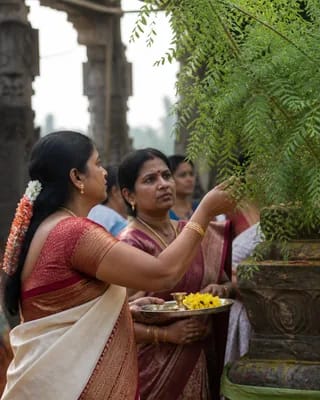
Dussehra
About Dussehra
Dussehra, also known as Vijayadashami, is celebrated on the tenth day of Navaratri. It marks the victory of Lord Rama over the demon king Ravana, symbolising the triumph of good over evil.
In Andhra Pradesh, the festival is celebrated with grand processions, cultural programmes, and the burning of Ravana effigies. It is also an auspicious day for starting new ventures.
The day is considered highly auspicious for Vidyarambham (initiation into learning) for children. Families gather for festive meals and celebrations.
Vrat Vidhi & Fasting Rules
Dussehra is a day of celebration rather than fasting, marking the victory of good over evil.
- Wake up early and take a ritual bath.
- Wear new clothes and visit temples.
- Participate in Ravana effigy burning ceremonies.
- Start new ventures or educational pursuits on this auspicious day.
Frequently Asked Questions (FAQs)
Vijayadashami means 'victory on the tenth day'. It celebrates Lord Rama's victory over Ravana and the triumph of righteousness over evil.
Dussehra marks the victory of good over evil. Starting new ventures on this day is believed to ensure success and remove obstacles, as the divine forces of good are at their peak.
Note: All timings are represented in 24-hour notation in local time of the selected location with DST adjustment (if applicable).
Hours which are past midnight are suffixed with next day date. In Panchang, a day starts and ends with local sunrise.
Recommended Pages
Comprehensive annual Hindu calendar with tithis and festivals.
Detailed month-wise view of lunar tithis and celestial events.
Marathi Panchang and festive dates for the year.
Gujarati Vikram Samvat calendar and festivals.
Telugu calendar and festive Panchangam details.
Tamil solar calendar dates and monthly Panchangam.