
Bhishma Dvadashi
festivalsAlso known as: Bhishma 12
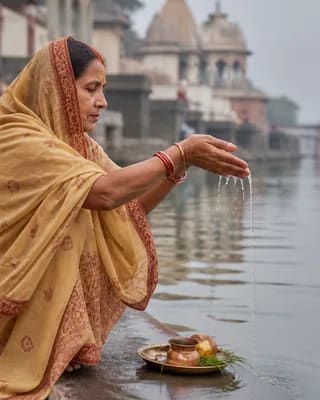
Bhishma Dvadashi
Bhishma Dvadashi at a Glance
Bhishma Dvadashi is fixed by the lunar calendar to Magha Shukla Dwadashi, the 12th tithi of the waxing (Shukla) fortnight of Magha.
- Tithi rule
- Magha Shukla Dwadashi (Purnimanta)Shukla DwadashiMagha month
- Tithi swami and group
- Vishnu · Bhadra Tithi
About Bhishma Dvadashi
Bhishma Dvadashi is observed on the Shukla Paksha Dvadashi of the Magha month and forms an integral part of the Bhishma Panchaka, the five-day period commemorating the great warrior-patriarch Bhishma Pitamah from the Mahabharata. This day specifically marks the occasion when Bhishma, lying on a bed of arrows, chose to leave his mortal body (Ichcha Mrityu) and attain liberation. Empowered by a boon that allowed him to choose the moment of his death, Bhishma waited until the Sun entered Uttarayana (the northern course), signifying the ascendancy of light and dharma.
Bhishma was the embodiment of sacrifice, discipline, and unwavering commitment to truth. As the grandsire of both the Pandavas and Kauravas, he upheld his vows of celibacy, loyalty, and service despite immense personal suffering. On Bhishma Dvadashi, devotees remember his extraordinary character and offer him symbolic Arghya (water oblations) and Pinda Dana, seeking his blessings and the strength to uphold dharma in their own lives.
The day is also significant because it is believed that Lord Vishnu Himself blessed Bhishma with supreme liberation. Special Vishnu Puja, charity, and fasting are observed, as Bhishma was a great devotee of Lord Krishna and an expounder of the highest spiritual wisdom, including the Vishnu Sahasranama which he taught to Yudhishthira from his bed of arrows.
Vrat Vidhi & Fasting Rules
The observance combines fasting, Vishnu worship, and offerings to Bhishma Pitamah for strength, discipline, and liberation.
- Wake before sunrise, bathe, and wear clean white or yellow traditional clothes.
- Observe a partial or full fast, abstaining from grains, beans, and tamasic foods.
- Perform Vishnu Puja with Tulsi leaves, yellow flowers, incense, and lamps.
- Recite the Vishnu Sahasranama, which Bhishma taught to Yudhishthira, and chapters from the Shanti Parva of the Mahabharata.
- Offer Arghya and Tarpan to Bhishma Pitamah, praying for courage, wisdom, and adherence to dharma.
- Donate food, blankets, and clothes to Brahmins and the poor in memory of Bhishma.
Puja Samagri & Ritual Steps
- Install images of Lord Vishnu and Bhishma Pitamah on the altar.
- Perform Abhishekam to Lord Vishnu with Panchamrit and offer Tulsi leaves.
- Light incense and a lamp, recite the Vishnu Sahasranama, and reflect on Bhishma's teachings.
- Offer Arghya (water mixed with sesame seeds) to Bhishma while praying for his blessings.
- Distribute Prasad and perform charity to conclude the Puja.
Vrat Katha: Bhishma's Final Liberation
Bhishma Pitamah lay on a bed of arrows for fifty-eight days after the Kurukshetra war, his body pierced but his spirit unshaken.
Endowed with Ichcha Mrityu, he chose to wait until the Sun turned northward (Uttarayana), the time most favorable for liberation.
On Magha Shukla Dvadashi, surrounded by the Pandavas, sages, and Lord Krishna Himself, Bhishma spoke the immortal Vishnu Sahasranama and Shanti Parva.
Then, with his gaze fixed on Lord Krishna, he relinquished his body and attained the supreme abode, setting an eternal example of dharma and devotion.
Bhishma Dvadashi: Frequently Asked Questions
Magha Shukla Dwadashi; its swami is Vishnu, a Bhadra Tithi.
Bhishma Panchaka spans from Magha Shukla Ekadashi to Purnima. Dvadashi is the second day of this five-day observance dedicated to Bhishma.
The Vishnu Sahasranama and selected passages from the Shanti Parva of the Mahabharata are highly recommended.
Yes, anyone seeking the virtues of discipline, sacrifice, and devotion can observe this day through fasting, prayer, and charity.
Note: times are shown with their date; a Panchang day runs from sunrise to sunrise.
Recommended Pages
Comprehensive annual Hindu calendar with tithis and festivals.
Detailed month-wise view of lunar tithis and celestial events.
Marathi Panchang and festive dates for the year.
Gujarati Vikram Samvat calendar and festivals.
Telugu calendar and festive Panchangam details.
Tamil solar calendar dates and monthly Panchangam.