
Buddha Purnima
festivalsQuick Overview
- Date in 2026
- Thursday, April 30, 2026
- Tithi
- Vaisakha Shukla Purnima (Purnimanta)
- Tithi begins / ends
- 09:13 PM, Apr 30 to 10:53 PM, May 01
- Lunar month
- Vaisakha · Shukla Paksha
Buddha Purnima
Thursday, April 30, 2026
Lunar Month: Vaisakha
Buddha Purnima at a Glance
Buddha Purnima is fixed by the lunar calendar to Vaisakha Shukla Purnima, the 15th tithi of the waxing (Shukla) fortnight of Vaisakha.
- Tithi rule
- Vaisakha Shukla Purnima (Purnimanta)Shukla PurnimaVaisakha month
- Tithi swami and group
- Chandra · Purna Tithi
Panchanga on This Day
Buddha Purnima · Apr 30, 2026
About Buddha Purnima
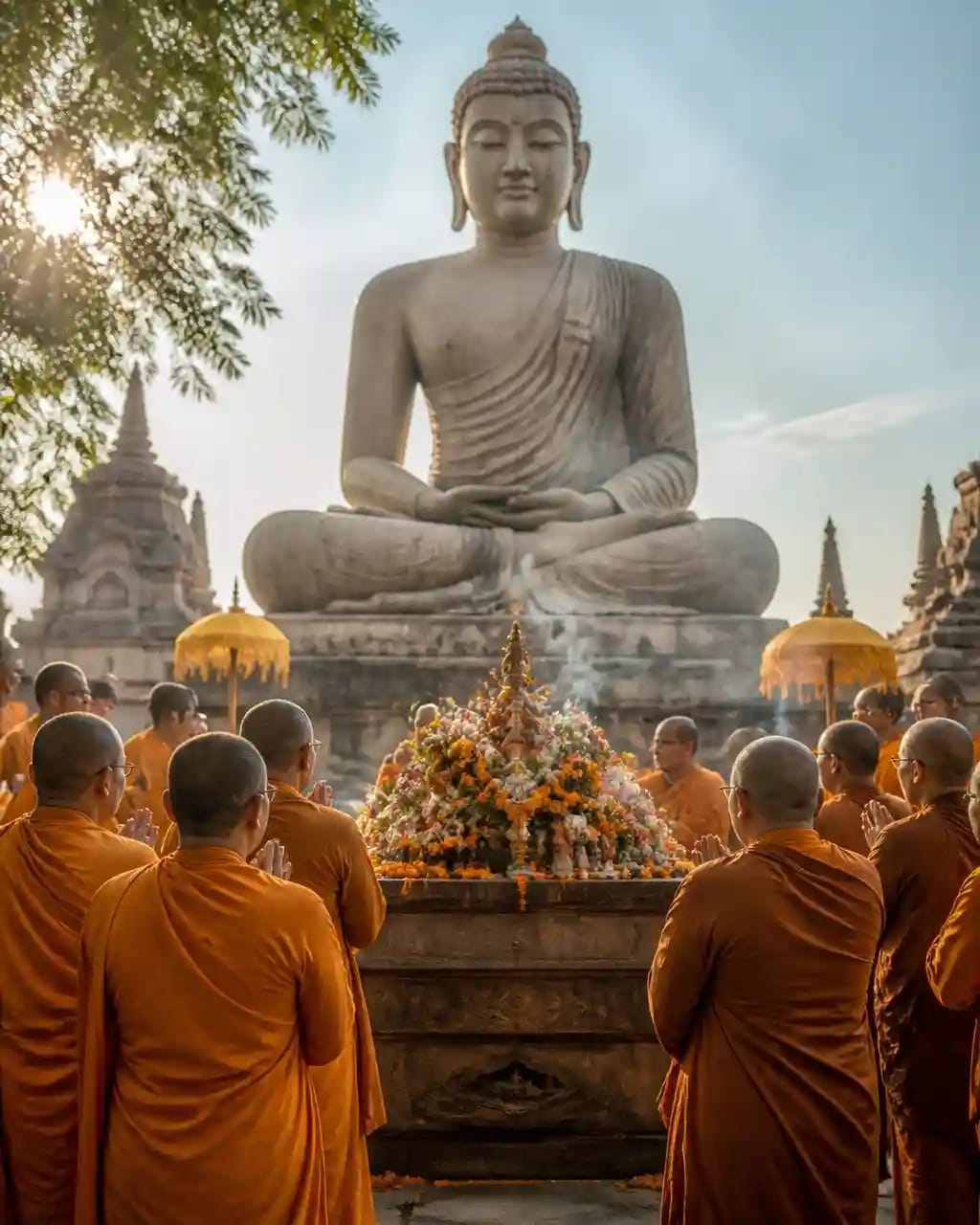
Buddha Purnima, also known as Vesak or Buddha Jayanti, is the most sacred day in the Buddhist calendar, celebrated on the full moon day (Purnima) of the Vaishakha month. It commemorates three pivotal events in the life of Siddhartha Gautama, the Buddha: his birth in Lumbini around 563 BCE, his enlightenment under the Bodhi tree in Bodh Gaya, and his Mahaparinirvana (final passing) at Kushinagar. The convergence of these three events makes this Purnima an unparalleled occasion of joy, contemplation, and spiritual renewal for Buddhists worldwide.
The teachings of the Buddha emphasize the Four Noble Truths, the Noble Eightfold Path, and the cultivation of compassion (Karuna), loving-kindness (Metta), and wisdom (Prajna). On Buddha Purnima, devotees gather at stupas, viharas, and monasteries to listen to discourses (Dhamma talks), chant sutras, meditate, and reaffirm their commitment to non-violence and mindfulness. The Mahabodhi Temple in Bodh Gaya, the Dhamekh Stupa in Sarnath, and the Mahaparinirvana Temple in Kushinagar become vibrant centers of pilgrimage.
A central ritual of Buddha Purnima is the ceremonial bathing of the Buddha's image, symbolizing the purification of the mind from ignorance and defilements. Devotees also light lamps, offer flowers, distribute Kheer (sweet rice porridge), and release caged birds and animals as acts of compassion. The day transcends sectarian boundaries, inspiring millions to practice peace, generosity, and self-awareness.
Vrat Vidhi & Fasting Rules
Buddha Purnima is observed through meditation, ethical reflection, listening to Dhamma, and acts of compassion and charity.
- Wake early and take a purifying bath; wear simple, clean, preferably white or saffron-colored clothing.
- Observe the Eight Precepts (Atthanga Sila) for the day: abstain from killing, stealing, sexual misconduct, false speech, intoxicants, untimely meals, entertainment, and luxurious bedding.
- Visit a Buddhist temple, stupa, or monastery; participate in group meditation and chanting of sacred texts such as the Dhammacakkappavattana Sutta.
- Offer flowers, lamps, incense, and Kheer to the Buddha image, and perform the ceremonial bathing (Abhishekam) of the baby Buddha statue.
- Practice Dana (generosity) by donating food, medicines, and essentials to monks, the poor, and animals.
- Spend time in silent meditation reflecting on impermanence, compassion, and the path to liberation.
Puja Samagri & Ritual Steps
- Set up a clean altar with a Buddha image or picture.
- Pour sacred water over the Buddha image while reciting 'Buddham Sharanam Gacchami'.
- Offer flowers, incense, and lamps as symbols of impermanence and enlightenment.
- Place Kheer and fruits before the image as Naivedya.
- Sit in meditation, chant sutras, and conclude with the sharing of Prasad and blessings.
Vrat Katha: The Life Events of Gautama Buddha
Prince Siddhartha was born in Lumbini to Queen Mahamaya on a Vaishakha Purnima. Sages prophesied that he would become either a great emperor or a fully enlightened teacher.
After encountering old age, sickness, death, and a wandering ascetic, Siddhartha renounced his royal life in search of the ultimate truth.
Sitting under the Bodhi tree in Bodh Gaya, he overcame the forces of Mara and attained enlightenment, becoming the Buddha.
After decades of teaching, he passed into Mahaparinirvana at Kushinagar, leaving behind the Dhamma as a guiding light for all beings.
Buddha Purnima: Frequently Asked Questions
Vaisakha Shukla Purnima; its swami is Chandra, a Purna Tithi.
Shukla Purnima: 09:13 PM, Thu, Apr 30, 2026 to 10:53 PM, Fri, May 1, 2026 (IST).
Because it commemorates the Buddha's birth, enlightenment, and Mahaparinirvana, all believed to have occurred on a Vaishakha Purnima.
Bathing the Buddha symbolizes washing away mental defilements such as greed, hatred, and ignorance, and renewing one's commitment to the Dhamma.
Absolutely. The universal values of peace, compassion, and mindfulness celebrated on this day are open to everyone.
Festivals in the Same Lunar Month
Vaisakha
Note: times are shown with their date; a Panchang day runs from sunrise to sunrise.
Recommended Pages
Comprehensive annual Hindu calendar with tithis and festivals.
Detailed month-wise view of lunar tithis and celestial events.
Marathi Panchang and festive dates for the year.
Gujarati Vikram Samvat calendar and festivals.
Telugu calendar and festive Panchangam details.
Tamil solar calendar dates and monthly Panchangam.