
Damanotsava Dvadashi
festivals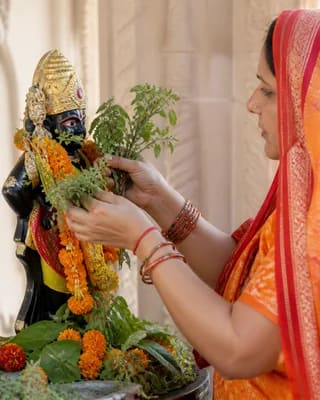
Damanotsava Dvadashi
Damanotsava Dvadashi at a Glance
Damanotsava Dvadashi is fixed by the lunar calendar to Chaitra Shukla Dwadashi, the 12th tithi of the waxing (Shukla) fortnight of Chaitra.
- Tithi rule
- Chaitra Shukla Dwadashi (Purnimanta)Shukla DwadashiChaitra month
- Tithi swami and group
- Vishnu · Bhadra Tithi
About Damanotsava Dvadashi
Damanotsava Dvadashi, also known as Damanaka Dwadashi, is a regional observance especially revered in Odisha and parts of eastern India. It falls on the Shukla Paksha Dwadashi of the Chaitra month and is dedicated to Lord Vishnu and the sacred Damanaka plant (Artemisia), which is valued for its purifying fragrance and medicinal properties.
The Damanaka plant is regarded as a favourite of Lord Vishnu. On this day, devotees collect fresh Damanaka leaves and offer them in worship, believing that the herb drives away illness, negative energies, and the diseases associated with the changing season. The festival marks the beginning of warmer days and emphasizes the healing power of nature.
In rural traditions, families prepare a simple satvik feast and share it after the puja. The observance reminds devotees that the divine resides not only in temples but also in the plants, herbs, and natural rhythms that sustain life.
Vrat Vidhi & Fasting Rules
Damanotsava Dvadashi is observed by offering Damanaka leaves to Lord Vishnu, maintaining a clean satvik diet, and praying for health and immunity.
- Wake before sunrise, bathe, and wear clean clothes; collect or procure fresh Damanaka leaves without harming the plant unnecessarily.
- Place a clean image or salagrama of Lord Vishnu on an altar decorated with flowers and mango leaves.
- Offer Damanaka leaves, sandalwood paste, tulasi, incense, and a lamp to the deity while chanting Vishnu mantras.
- Prepare and eat only satvik food; avoid tamarind, garlic, onions, and heavy spices for the day.
- Recite the Damanaka Vrata Katha or Vishnu Sahasranama and listen with family members.
- In the evening, distribute prasad and donate food or herbs to neighbours in need.
Vrat Katha: The Sacred Damanaka Plant
Long ago, a devout Brahmin woman suffered from a persistent ailment that no remedy could cure. She prayed sincerely to Lord Vishnu and observed a strict fast on the Dwadashi of Chaitra.
That night, the Lord appeared in her dream and instructed her to worship Him with the leaves of the Damanaka plant, which had powerful purifying virtues.
The next morning, she gathered the leaves and performed the puja with faith. Her health was restored, and she lived a long, joyful life.
Since then, Damanotsava Dvadashi has been observed as a day to honour the healing gifts of nature and to seek Lord Vishnu's blessings for immunity and well-being.
Damanotsava Dvadashi: Frequently Asked Questions
Chaitra Shukla Dwadashi; its swami is Vishnu, a Bhadra Tithi.
The Damanaka plant (Artemisia) is used for offerings due to its sacred and purifying properties.
Many observe a partial or fruit fast; the emphasis is on purity of food and devotion rather than extreme austerity.
Note: times are shown with their date; a Panchang day runs from sunrise to sunrise.
Recommended Pages
Comprehensive annual Hindu calendar with tithis and festivals.
Detailed month-wise view of lunar tithis and celestial events.
Marathi Panchang and festive dates for the year.
Gujarati Vikram Samvat calendar and festivals.
Telugu calendar and festive Panchangam details.
Tamil solar calendar dates and monthly Panchangam.