
Gopashtami
festivalsAlso known as: Durva 8, Gopa 8
Quick Overview
- Date in 2026
- Tuesday, November 17, 2026
- Tithi
- Kartika Shukla Ashtami (Purnimanta)
- Tithi begins / ends
- 04:20 AM, Nov 17 to 06:06 AM, Nov 18
- Lunar month
- Kartika · Shukla Paksha
Gopashtami
Tuesday, November 17, 2026
Lunar Month: Kartika
Gopashtami at a Glance
Gopashtami is fixed by the lunar calendar to Kartika Shukla Ashtami, the 8th tithi of the waxing (Shukla) fortnight of Kartika.
- Tithi rule
- Kartika Shukla Ashtami (Purnimanta)Shukla AshtamiKartika month
- Tithi swami and group
- Shiva · Jaya Tithi
Panchanga on This Day
Gopashtami · Nov 17, 2026
About Gopashtami
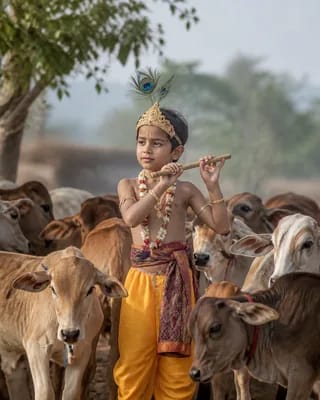
Gopashtami is a sacred festival observed on the Shukla Paksha Ashtami of the Kartik month, primarily by Vaishnava communities in northern and eastern India. It celebrates the day when Nanda Maharaj entrusted young Krishna with the responsibility of tending the cows of Vrindavan, marking Krishna's coming of age as a cowherd (gopala).
Cows and bulls are considered sacred in Hindu tradition as embodiments of patience, selfless service, and the divine abundance represented by Kamadhenu. On Gopashtami, they are bathed, decorated with garlands and tilak, and fed with reverence. The day reaffirms humanity's duty to care for animals and the natural world.
In Gaudiya Vaishnavism and the Radha Vallabha Sampradaya, special kirtans, readings of the Bhagavatam, and elaborate go-puja ceremonies are held. Devotees believe that serving cows on this day pleases Lord Krishna and brings prosperity, fertility, and spiritual merit.
Vrat Vidhi & Fasting Rules
Gopashtami is observed by worshipping cows and bulls as living forms of divine wealth and remembering Krishna's cowherd pastimes.
- Wake before sunrise, bathe, and clean the cowshed or the place where cattle are kept.
- Bathe cows and bulls with clean water, apply a tilak of turmeric and sandalwood, and decorate their horns and necks with garlands.
- Feed them fresh grass, gram, jaggery, and special preparations made from wheat or chickpeas.
- Perform Krishna Puja with tulasi leaves, incense, and a lamp, and recite the Gopashtami Katha.
- Circumambulate the cows while chanting the names of Krishna and the sacred cow.
- Donate food, fodder, or money to goshalas (cow shelters) and feed Brahmins in the afternoon.
Vrat Katha: Krishna Becomes the Protector of Cows
When Krishna grew old enough to leave the village and enter the forests of Vrindavan, His father Nanda Maharaj held a special ceremony on Kartik Ashtami.
Nanda handed Krishna a staff and placed the young calves and cows under His care. From that day, Krishna became known as Gopala, the protector of cows.
The gopas and gopis celebrated by decorating the cows and singing Krishna's glories. It is said that the cows themselves felt blessed to be tended by the Lord.
Since then, Gopashtami reminds devotees that serving cows is a direct form of serving Lord Krishna.
Gopashtami: Frequently Asked Questions
Kartika Shukla Ashtami; its swami is Shiva, a Jaya Tithi.
Shukla Ashtami: 04:20 AM, Tue, Nov 17, 2026 to 06:06 AM, Wed, Nov 18, 2026 (IST).
Gopashtami falls on Kartik Shukla Ashtami and celebrates Krishna becoming a cowherd, while Govatsa Dwadashi falls earlier and honours cows as the divine mother Kamadhenu.
Yes, devotees can visit a goshala, feed street cows, or worship a symbolic image of a cow at home.
Festivals in the Same Lunar Month
Kartika
Note: times are shown with their date; a Panchang day runs from sunrise to sunrise.
Recommended Pages
Comprehensive annual Hindu calendar with tithis and festivals.
Detailed month-wise view of lunar tithis and celestial events.
Marathi Panchang and festive dates for the year.
Gujarati Vikram Samvat calendar and festivals.
Telugu calendar and festive Panchangam details.
Tamil solar calendar dates and monthly Panchangam.