
Kushotpaatini Ama
festivalsAlso known as: Kushotpaatini Ama
Quick Overview
- Date in 2026
- Wednesday, September 9, 2026
- Tithi
- Bhadrapada Krishna Chaturdashi (Purnimanta)
- Tithi begins / ends
- 12:31 PM, Sep 09 to 10:34 AM, Sep 10
- Lunar month
- Bhadrapada · Krishna Paksha
Kushotpaatini Ama
Wednesday, September 9, 2026
Lunar Month: Bhadrapada
Kushotpaatini Ama at a Glance
Kushotpaatini Ama is fixed by the lunar calendar to Bhadrapada Krishna Chaturdashi, the 14th tithi of the waning (Krishna) fortnight of Bhadrapada (Shravana Krishna Chaturdashi in the Amanta calendar).
- Tithi rule
- Bhadrapada Krishna Chaturdashi (Purnimanta)Krishna ChaturdashiBhadrapada month
- Tithi swami and group
- Shiva · Rikta Tithi
Panchanga on This Day
Kushotpaatini Ama · Sep 9, 2026
About Kushotpaatini Ama
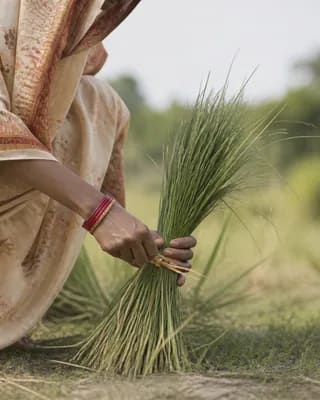
Kushotpaatini Amavasya is a special New Moon day sanctified by the ritual use of Kusha grass, a sacred plant regarded in Vedic tradition as the very hair of Lord Vishnu and a purifier of offerings. The name combines 'Kusha', 'Utpatti' (origin or arising), and 'Amavasya' (new moon), indicating the tithi when Kusha grass is ritually gathered and used for ancestral rites.
On this Amavasya, Kusha grass assumes supreme ritual importance. It is used to make seats (asanas) for deities and priests, to sprinkle consecrated water, to offer Tarpan to ancestors, and to create protective barriers around sacred spaces. The sharp edges of Kusha grass are believed to cut through negative energies and impurities.
Kushotpaatini Amavasya holds deep Pitru significance. Families perform Shraddha, Tarpan, and Pind Daan for departed ancestors, using Kusha grass as the essential medium through which offerings reach the Pitrus. It is believed that rituals performed with proper Kusha grass yield manifold spiritual merit.
The day is also considered powerful for mantra siddhi, meditation, and the removal of ancestral curses or Pitru Dosha. Saints and householders alike observe fasting, silence, and scriptural study, making it a day of both ancestral gratitude and intense inner purification.
Vrat Vidhi & Fasting Rules
Devotees observe a strict fast, collect or sanctify Kusha grass, and perform Pitru Tarpan and charity to honor ancestors.
- Wake before dawn and take a purifying bath; some traditions include a dip in a holy river.
- Collect fresh Kusha grass before sunrise, or use properly preserved Kusha grass from a sacred source.
- Perform Tarpan and Shraddha for ancestors using black sesame seeds, water, rice, and Kusha grass.
- Observe a complete or partial fast; consume only fruits, milk, or satvik food once during the day.
- Donate food, clothes, Kusha grass, and sesame seeds to Brahmins or the needy.
- Refrain from cutting nails, shaving, or engaging in arguments and negative speech.
Puja Samagri & Ritual Steps
- Spread a Kusha grass mat and install the Kalash or deity image.
- Perform Achaman and offer water to the Sun, deities, and ancestors.
- Using Kusha grass, offer Tarpan with black sesame seeds mixed in water while chanting Pitru names.
- Recite the Vishnu Sahasranama, Garuda Purana excerpts, or ancestral mantras.
- Feed Brahmins or the poor and give Dakshina to priests.
- Conclude with silent prayer seeking forgiveness and liberation for departed souls.
Vrat Katha: The Sacred Origin of Kusha Grass
During the great churning of the cosmic ocean (Samudra Manthan), many divine treasures emerged, including Amrit, the nectar of immortality.
As the gods and demons struggled for the Amrit, a few drops fell upon the earth. Where these nectar-drops touched the soil, the sacred Kusha grass sprang forth, making it eternally pure and capable of absorbing divine energy.
Lord Vishnu declared that Kusha grass would be used in all sacred rites, and that no offering or mantra would be complete without its presence. It became the hair of Vishnu and a bridge between the earthly and ancestral realms.
From that time onward, Kusha grass has been indispensable in Yajnas, Tarpans, and protective rituals, and Kushotpaatini Amavasya is the day when its power is most potently awakened.
Kushotpaatini Ama: Frequently Asked Questions
Bhadrapada Krishna Chaturdashi (Shravana Krishna Chaturdashi in the Amanta calendar); its swami is Shiva, a Rikta Tithi.
Krishna Chaturdashi: 12:31 PM, Wed, Sep 9, 2026 to 10:34 AM, Thu, Sep 10, 2026 (IST).
Kusha grass is considered the hair of Lord Vishnu and sprang from drops of Amrit during the churning of the ocean. It purifies offerings and protects rituals from negative energies.
Yes, families can perform simple Tarpan, charity, and meditation at home using Kusha grass, sesame seeds, and water, ideally after consulting a priest.
Devotees avoid grains, non-vegetarian food, alcohol, onions, garlic, and tamasic foods. Many observe a fruit-and-milk fast.
Festivals in the Same Lunar Month
Bhadrapada
Note: times are shown with their date; a Panchang day runs from sunrise to sunrise.
Recommended Pages
Comprehensive annual Hindu calendar with tithis and festivals.
Detailed month-wise view of lunar tithis and celestial events.
Marathi Panchang and festive dates for the year.
Gujarati Vikram Samvat calendar and festivals.
Telugu calendar and festive Panchangam details.
Tamil solar calendar dates and monthly Panchangam.