
Phalgu Yoga
festivalsQuick Overview
- Date in 2036
- Friday, September 19, 2036
- Tithi
- Ashwin Krishna Amavasya (Purnimanta)
- Tithi begins / ends
- 10:37 AM, Sep 19 to 07:21 AM, Sep 20
- Lunar month
- Ashwin · Krishna Paksha
- Also on this tithi
- Sarva Pitru Amavasya, Gajachhaya Yoga
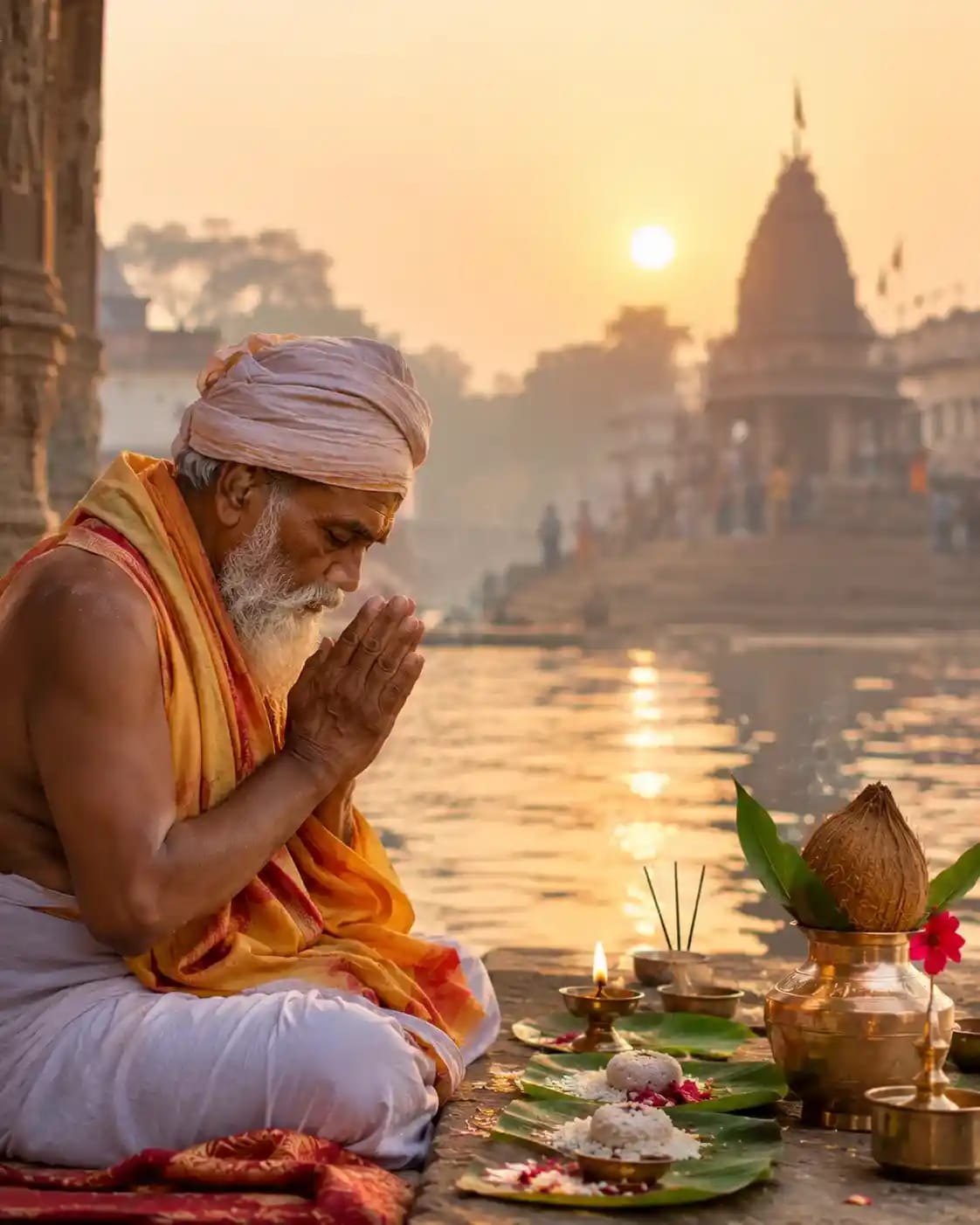
Phalgu Yoga
Friday, September 19, 2036
Lunar Month: Ashwin
Phalgu Yoga at a Glance
Phalgu Yoga is fixed by the lunar calendar to Ashwin Krishna Amavasya, the 15th tithi of the waning (Krishna) fortnight of Ashwin (Bhadrapada Krishna Amavasya in the Amanta calendar).
- Tithi rule
- Ashwin Krishna Amavasya (Purnimanta)Krishna AmavasyaAshwin month
- Tithi swami and group
- Pitra · Purna Tithi
- Also on this tithi
- Sarva Pitru AmavasyaGajachhaya Yoga
Panchanga on This Day
Phalgu Yoga · Sep 19, 2036
About Phalgu Yoga
Phalgu Yoga is a special astrological and ritual observance dedicated to honoring the spirits of ancestors through the medium of the Phalgu river and the sacred city of Gaya, one of the most important pilgrimage sites for Pitru Karya in Hindu tradition. The term 'Phalgu' refers both to the river at Gaya and to the subtle, unseen force through which ancestral offerings reach departed souls.
According to sacred belief, the Phalgu river in Gaya is invisible at certain spots, flowing beneath a sandy bed. This hidden nature symbolizes the unseen connection between the living and the ancestors. Performing rituals at Gaya, especially during Phalgu Yoga, is considered extremely powerful for the liberation of departed souls and the removal of Pitru Dosha.
Phalgu Yoga is particularly auspicious for performing Pind Daan, Tarpan, and Shraddha rituals. It is believed that offerings made during this yoga yield immense spiritual fruit (Phala) and bring peace, prosperity, and ancestral blessings to the family.
Devotees unable to travel to Gaya observe the day at home by making offerings to Brahmins, feeding the poor, reciting sacred texts, and donating sesame seeds, grains, and clothes. The day emphasizes gratitude toward ancestors and the continuation of family Dharma.
Vrat Vidhi & Fasting Rules
Devotees perform ancestral rites, charity, and fasting to honor the Pitrs and receive their blessings through the auspicious Phalgu Yoga.
- Wake before sunrise and take a purifying bath.
- Observe a partial fast, consuming only satvik food once during the day.
- Perform Tarpan and Pind Daan for ancestors using sesame seeds, water, and Kusha grass.
- Feed Brahmins and offer them Dakshina, clothes, and grains.
- Donate to the poor, especially food, blankets, and medicine.
- Recite the Garuda Purana, Vishnu Purana, or Pitru Stotras with devotion.
Puja Samagri & Ritual Steps
- Purify the worship area and install ancestral tokens or images.
- Offer water and sesame seeds to the Sun and ancestors.
- Perform Tarpan facing south, chanting the names of departed ancestors.
- Prepare Pindas (rice balls) and offer them with mantras.
- Feed Brahmins and the poor as representatives of ancestors.
- Conclude with prayers for the peace and liberation of all Pitrs.
Vrat Katha: The Hidden River and the Ancestors' Blessing
Long ago, a devoted son traveled to Gaya to perform Shraddha for his deceased father. When he arrived at the Phalgu river, he was surprised to find only a dry sandy bed.
A wise priest explained that the river flows beneath the sand, invisible to ordinary eyes, just as the connection between the living and the ancestors is unseen but real.
The son performed the rituals with faith, offering Pindas at the sacred spot. That night, his father appeared in a dream, radiant and liberated, and blessed him abundantly.
Since then, Phalgu Yoga has been revered as a time when offerings reach the ancestors most effectively, and when the hidden river of ancestral grace flows powerfully for those who remember their forefathers.
Phalgu Yoga: Frequently Asked Questions
Ashwin Krishna Amavasya (Bhadrapada Krishna Amavasya in the Amanta calendar); its swami is Pitra, a Purna Tithi.
Krishna Amavasya: 10:37 AM, Fri, Sep 19, 2036 to 07:21 AM, Sat, Sep 20, 2036 (IST).
Ashwin Krishna Amavasya: 11:56 AM, Thu, Oct 8, 2037 to 08:04 AM, Fri, Oct 9, 2037 (IST).
Sarva Pitru Amavasya and Gajachhaya Yoga, also on Ashwin Krishna Amavasya.
The Phalgu river at Gaya symbolizes the unseen connection between the living and ancestors. Rituals performed there are believed to liberate departed souls.
Yes, devotees can perform Tarpan, feed Brahmins, donate to the poor, and recite sacred texts at home with sincere intention.
Black sesame seeds, Kusha grass, rice balls (Pinda), food for Brahmins, and donations to the needy are considered most auspicious.
Festivals in the Same Lunar Month
Ashwin
Note: times are shown with their date; a Panchang day runs from sunrise to sunrise.
Recommended Pages
Comprehensive annual Hindu calendar with tithis and festivals.
Detailed month-wise view of lunar tithis and celestial events.
Marathi Panchang and festive dates for the year.
Gujarati Vikram Samvat calendar and festivals.
Telugu calendar and festive Panchangam details.
Tamil solar calendar dates and monthly Panchangam.