
Shankaracharya Jayanti
festivalsQuick Overview
- Date in 2043
- Tuesday, May 12, 2043
- Tithi
- Vaisakha Shukla Panchami (Purnimanta)
- Tithi begins / ends
- 07:03 PM, May 12 to 04:48 PM, May 13
- Lunar month
- Vaisakha · Shukla Paksha
Shankaracharya Jayanti
Tuesday, May 12, 2043
Lunar Month: Vaisakha
Shankaracharya Jayanti at a Glance
Shankaracharya Jayanti is fixed by the lunar calendar to Vaisakha Shukla Panchami, the 5th tithi of the waxing (Shukla) fortnight of Vaisakha.
- Tithi rule
- Vaisakha Shukla Panchami (Purnimanta)Shukla PanchamiVaisakha month
- Tithi swami and group
- Naga · Purna Tithi
Panchanga on This Day
Shankaracharya Jayanti · May 12, 2043
About Shankaracharya Jayanti
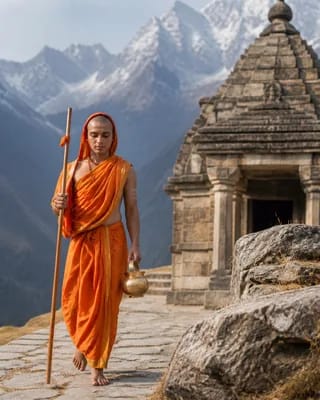
Shankaracharya Jayanti celebrates the birth of Adi Shankaracharya, the 8th-century philosopher-saint who consolidated and systematized the doctrine of Advaita Vedanta. Born in Kalady, Kerala, he is revered as one of the greatest spiritual masters in Indian history.
Adi Shankara traveled across India on foot, composing profound commentaries on the Upanishads, Bhagavad Gita, and Brahma Sutras. He established the four cardinal monasteries (mathas) at Sringeri, Puri, Dwarka, and Joshimath, and organized the Dashanami monastic order.
His philosophy teaches that the individual soul (Atman) and the ultimate reality (Brahman) are one, and that liberation comes through self-knowledge (jnana) and detachment from illusion (maya). Shankaracharya Jayanti is observed with scriptural study, debates, satsangs, and worship of the guru tradition.
Vrat Vidhi & Fasting Rules
Devotees observe the day through study, meditation, and worship of the guru-shishya tradition.
- Wake during Brahma Muhurta, bathe, and sit for meditation, contemplating the mahavakyas 'Aham Brahmasmi' and 'Tat Tvam Asi'.
- Read or listen to Adi Shankara's works such as the Vivekachudamani, Atma Bodha, or Bhaja Govindam.
- Worship Lord Shiva or Dakshinamurti (Shiva as the silent guru) and Adi Shankara with flowers, bilva leaves, and lamp.
- Observe a light fast or take only satvik food once, focusing the mind on self-inquiry.
- Attend satsang, Vedanta discourses, or chant the Guru Stotram.
- Serve scholars and devotees, and practice humility, truth, and non-attachment throughout the day.
Puja Samagri & Ritual Steps
- Install the images and clean the altar.
- Offer water, milk, or panchamrit abhisheka.
- Apply sandalwood paste and vibhuti; offer bilva and flowers.
- Light incense and lamp; chant the Dakshinamurti Stotram or Guru Stotram.
- Read from Shankara's works.
- Perform arati and distribute prasad.
Vrat Katha: The Crocodile and the Sannyasa
Adi Shankaracharya was born to pious Brahmin parents in Kalady. When he was a young boy, he went to bathe in the Purna River. Suddenly, a crocodile seized his leg and would not let go. His mother rushed to the shore in despair.
The boy calmly told her that if she allowed him to take sannyasa, the crocodile would release him. With no other way to save her son, she agreed. As soon as Shankara uttered the sacred vows of renunciation, the crocodile let him go. He thus left home to become a wandering monk, eventually traveling across India to revive the knowledge of Advaita Vedanta.
Shankaracharya Jayanti: Frequently Asked Questions
Vaisakha Shukla Panchami; its swami is Naga, a Purna Tithi.
Shukla Panchami: 07:03 PM, Tue, May 12, 2043 to 04:48 PM, Wed, May 13, 2043 (IST).
Vaisakha Shukla Panchami: 12:20 PM, Sun, May 1, 2044 to 09:25 AM, Mon, May 2, 2044 (IST).
Advaita Vedanta is the non-dual philosophy that the individual soul (Atman) and ultimate reality (Brahman) are one.
He was born in Kalady, Kerala, India.
Sringeri in the south, Puri in the east, Dwarka in the west, and Jyotirmath (Joshimath) in the north.
Festivals in the Same Lunar Month
Vaisakha
Note: times are shown with their date; a Panchang day runs from sunrise to sunrise.
Recommended Pages
Comprehensive annual Hindu calendar with tithis and festivals.
Detailed month-wise view of lunar tithis and celestial events.
Marathi Panchang and festive dates for the year.
Gujarati Vikram Samvat calendar and festivals.
Telugu calendar and festive Panchangam details.
Tamil solar calendar dates and monthly Panchangam.