
Mauni Amavas
festivalsAlso known as: Mauni Amavas, Mauni Ama
Quick Overview
- Date in 2028
- Tuesday, January 25, 2028
- Tithi
- Magha Krishna Amavasya (Purnimanta)
- Tithi begins / ends
- 06:18 PM, Jan 25 to 08:43 PM, Jan 26
- Lunar month
- Magha · Krishna Paksha
- Also on this tithi
- Ardhodaya Yoga, Mahodaya Yoga
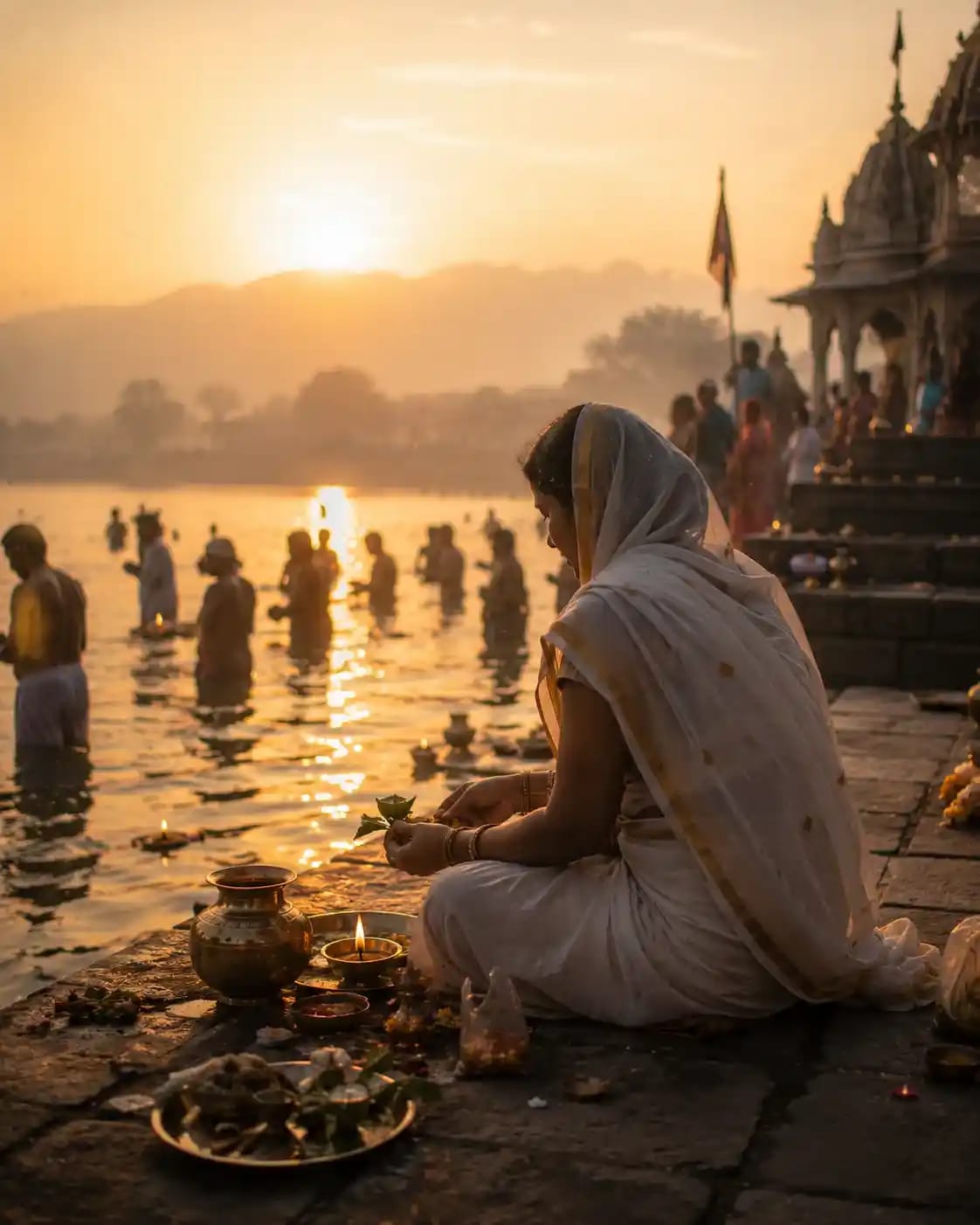
Mauni Amavas
Tuesday, January 25, 2028
Lunar Month: Magha
Mauni Amavas at a Glance
Mauni Amavas is fixed by the lunar calendar to Magha Krishna Amavasya, the 15th tithi of the waning (Krishna) fortnight of Magha (Pausha Krishna Amavasya in the Amanta calendar).
- Tithi rule
- Magha Krishna Amavasya (Purnimanta)Krishna AmavasyaMagha month
- Tithi swami and group
- Pitra · Purna Tithi
- Also on this tithi
- Ardhodaya YogaMahodaya Yoga
Panchanga on This Day
Mauni Amavas · Jan 25, 2028
About Mauni Amavas
Mauni Amavasya is a deeply spiritual New Moon day observed during the Magha month, most famously within the Kumbh Mela cycle. The word 'Mauni' comes from 'Mauna', meaning silence, and the core observance of this day is maintaining complete silence as a means of inner purification and self-control.
According to Hindu tradition, the waters of holy rivers such as the Ganga, Yamuna, Godavari, and Kaveri become especially potent on Mauni Amavasya. Taking a holy dip (Mauni Snan) on this day is believed to wash away countless sins and liberate ancestors from negative realms.
The practice of silence is not merely the absence of speech; it represents the withdrawal of the senses and the turning of awareness inward toward the Self (Atman). Many saints and sadhus observe this day as a powerful opportunity for meditation, mantra repetition, and transcendence of the mind's chatter.
Mauni Amavasya is also associated with the worship of the Sun, ancestors, and Lord Vishnu. In North India, it is considered one of the most important bathing days of the year, drawing millions of pilgrims to sacred riverbanks for ritual immersion and charity.
Vrat Vidhi & Fasting Rules
Devotees observe silence, take a holy bath, and perform Tarpan and charity for ancestors and spiritual purification.
- Wake well before sunrise and take a purifying bath, ideally in a holy river or with Ganga Jal at home.
- Observe complete silence (Mauna) from waking until sunset or throughout the entire day.
- Perform Tarpan for ancestors using black sesame seeds, Kusha grass, and water.
- Worship Lord Vishnu and the Sun God with flowers, incense, and lamps.
- Eat only one satvik meal during the day, or observe a fruit-and-milk fast.
- Donate blankets, food, and essentials to the poor and needy.
Puja Samagri & Ritual Steps
- After the holy bath, sit in a clean and quiet place for meditation.
- Offer Arghya to the rising Sun with water mixed with red flowers and sesame seeds.
- Perform Pitru Tarpan facing south, chanting the names of departed ancestors.
- Worship Lord Vishnu silently, offering Tulsi leaves and Panchamrit.
- Maintain silence and engage in reading scriptures or chanting mantras mentally.
- Conclude the day with charity and feeding of Brahmins or the poor.
Vrat Katha: The Hunter Who Attained Liberation Through Silence
Long ago, there lived a hunter who earned his living by killing animals in the forest. His sins accumulated heavily, and after death he found himself trapped in suffering.
One day, by divine grace, he was reborn as a human with little knowledge of righteousness. He wandered into a forest on Mauni Amavasya and, feeling an inexplicable pull, sat beneath a tree in silence.
Throughout the day he remained silent, unknowingly observing Mauna. His mind gradually became still, and the divine grace of the day purified his accumulated karma.
When he passed away, celestial beings appeared and escorted him to higher realms. The power of Mauni Amavasya, even when observed unknowingly, had granted him liberation.
Mauni Amavas: Frequently Asked Questions
Magha Krishna Amavasya (Pausha Krishna Amavasya in the Amanta calendar); its swami is Pitra, a Purna Tithi.
Krishna Amavasya: 06:18 PM, Tue, Jan 25, 2028 to 08:43 PM, Wed, Jan 26, 2028 (IST).
Magha Krishna Amavasya: 10:47 PM, Sat, Jan 13, 2029 to 10:55 PM, Sun, Jan 14, 2029 (IST).
Ardhodaya Yoga and Mahodaya Yoga, also on Magha Krishna Amavasya.
'Mauni' means silence (Mauna). Devotees observe verbal silence to calm the mind and turn awareness inward.
A holy bath is highly recommended, ideally in a sacred river. If not possible, bathing at home with Ganga Jal and sincere intention is also beneficial.
Traditional observance encourages complete silence of speech and minimal sensory engagement. Many devotees also avoid digital devices to maintain inner quiet.
Festivals in the Same Lunar Month
Magha
Note: times are shown with their date; a Panchang day runs from sunrise to sunrise.
Recommended Pages
Comprehensive annual Hindu calendar with tithis and festivals.
Detailed month-wise view of lunar tithis and celestial events.
Marathi Panchang and festive dates for the year.
Gujarati Vikram Samvat calendar and festivals.
Telugu calendar and festive Panchangam details.
Tamil solar calendar dates and monthly Panchangam.